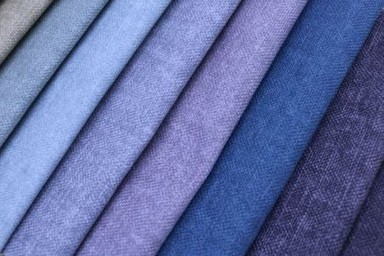


Dyeing and finishing process of spandex elastic fabric
Sep 06, 2019
In recent years, spandex-containing stretch fabrics have become very popular in the domestic and foreign markets and have developed rapidly. Since the 1980s, it has been favored by people, especially in the late 1990s. Due to its high elasticity and excellent resilience, these products are soft to the touch, comfortable to wear and can reveal the beauty of the body. Plus, it absorbs sweat and does not generate static electricity, so it is getting more and more applications. At present, it has been widely used in the textile industry, from underwear development to outerwear, knitted fabrics to woven fabrics, garment fabrics to decorative fabrics and functional materials, such as industrial fabrics for medical applications, with broad development prospects and good Economic benefits. Spandex fiber was first obtained by Bayer and colleagues in Germany in 1937 using a polyisocyanate polyaddition process to obtain polyurethane-based elastic fibers. However, large-scale industrial production was realized by DuPont in the United States in 1962 and named lycra (Leica). Later, Bayer, Japan Toray, Toyobo, Zhongyuan, Teijin, Kuraray and other companies successively launched various new varieties. South Korea is the fastest growing spandex in recent years and has become the world's largest producer. China's spandex demand is relatively large. In the 1990s, it was already in Yantai, Shandong, and Lianyungang, Jiangsu. Guangdong Heshan, Fujian Changle, Shanghai Qingpu, Zhejiang Shaoxing and other places have established a spandex production line with an annual production capacity of 25,000 tons. With the increase in the types and quantities of elastic textiles, the production and application of spandex in China will be further expanded. According to the report materials in recent years, there are dyeing and finishing enterprises and colleges in more than 10 provinces and cities such as Shanghai, Jiangsu, Zhejiang, Anhui, Shandong, Fujian, Guangdong, Sichuan, Hubei, Hebei, Liaoning, Henan, and Shaanxi. The school developed and produced a variety of spandex-containing stretch fabrics. Some achievements and practical experience have been achieved, but there are also some problems that need further research and discussion, such as the contradiction between the dimensional stability of the door width and the alkali concentration and the setting temperature. The contradiction between the use of chlorine bleaching and the clean production, the alkali concentration Contradiction with de-doping effect and clean production, excessive shrinkage rate, contradiction between fabric yellowing and elastic recovery rate, and application of biological enzymes. At present, the scientific and technical personnel in the dyeing and finishing industry are exploring the best conditions for the dyeing and finishing technology of spandex elastic fabrics, and exploring the relationship between the dyeing and finishing process and the elastic properties of spandex, dimensional stability and fabric width variation, and spandex dyeing and finishing. The requirements of the equipment to obtain the best dyeing and finishing process. The elastic fabrics are made better to meet the ever-changing needs of the market. From a large number of published articles, the author combines the practical experience of each unit, analyzes the advantages and disadvantages of each unit's dyeing and finishing process, and combines the author's practice to propose Some ideas for making spandex stretch fabrics.